
 One of the quiet arts of polished living is knowing how to arrive appropriately dressed for the occasion. Dress codes are not arbitrary suggestions tucked into the corner of an invitation. They are part of the language of hospitality. They tell us what kind of atmosphere a host is creating, what level of formality is expected, and how we might enter a room with confidence, ease, and respect for the moment.
To understand dress codes is to understand social fluency. It is a way of showing consideration for the event, the host, and oneself. Whether one is attending a glittering gala, a chic cocktail gathering, an elegant afternoon tea, or stepping into a boardroom, the difference is not merely in the clothing. It is in the tone, intention, and presence one brings with them.
Here is how to distinguish four of the most commonly misunderstood dress codes: gala or ball attire, cocktail attire, tea attire, and business dress.
Gala or Ball Attire: Formality with Grandeur
A gala or ball is one of the few occasions in modern life where true formality still has room to breathe. These events are typically evening affairs, often philanthropic, cultural, ceremonial, or celebratory in nature, and they invite a level of dress that feels elevated, dramatic, and unmistakably special.
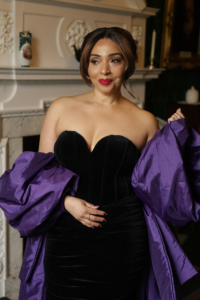
For ladies, this generally means a floor-length gown or a formal full-length dress with presence. Think silk, satin, velvet, chiffon, or embellishment used with restraint and intention. A gala look should feel exquisite, not excessive. Jewelry may be more pronounced, an evening bag is appropriate, and shoes should feel decidedly formal. This is the moment for elegance that understands occasion.
For gentlemen, gala or ball attire most often calls for a tuxedo or formal eveningwear, particularly when the invitation suggests black tie or a similarly elevated standard. A dark, beautifully tailored suit may be acceptable for some galas, but when the word ball appears, one should assume a more traditional level of formality.
Gala attire is not simply “dressy.” It is ceremonial. It signals that the evening is significant and that one has chosen to honor it accordingly.
Cocktail Attire: Polished, Chic, and Social
Cocktail attire occupies that lovely space between daywear and full evening dress. It is refined, celebratory, and stylish, without the full sweep of a gown or the rigor of black tie. This dress code is often seen at weddings, upscale dinners, receptions, holiday gatherings, and evening events where one is meant to look polished, sociable, and effortlessly put together.
For ladies, the classic choice is a cocktail dress, often knee-length or midi, though a sophisticated jumpsuit or elegant separates may also work beautifully when styled with intention. Cocktail attire welcomes a bit of personality: an interesting neckline, a rich fabric, a statement earring, a sleek heel. What it should not become is nightclub attire or anything so dramatic it begins to compete with formal eveningwear.
For gentlemen, cocktail attire generally calls for a well-tailored suit, dress shirt, polished shoes, and often a tie, depending on the nature of the event. The aim is sharpness, not severity.
Cocktail attire should feel modern, tasteful, and ready for a room filled with conversation, candlelight, and clinking glasses. It is festive, yes—but always refined.

Tea Attire: Daytime Elegance at Its Most Charming
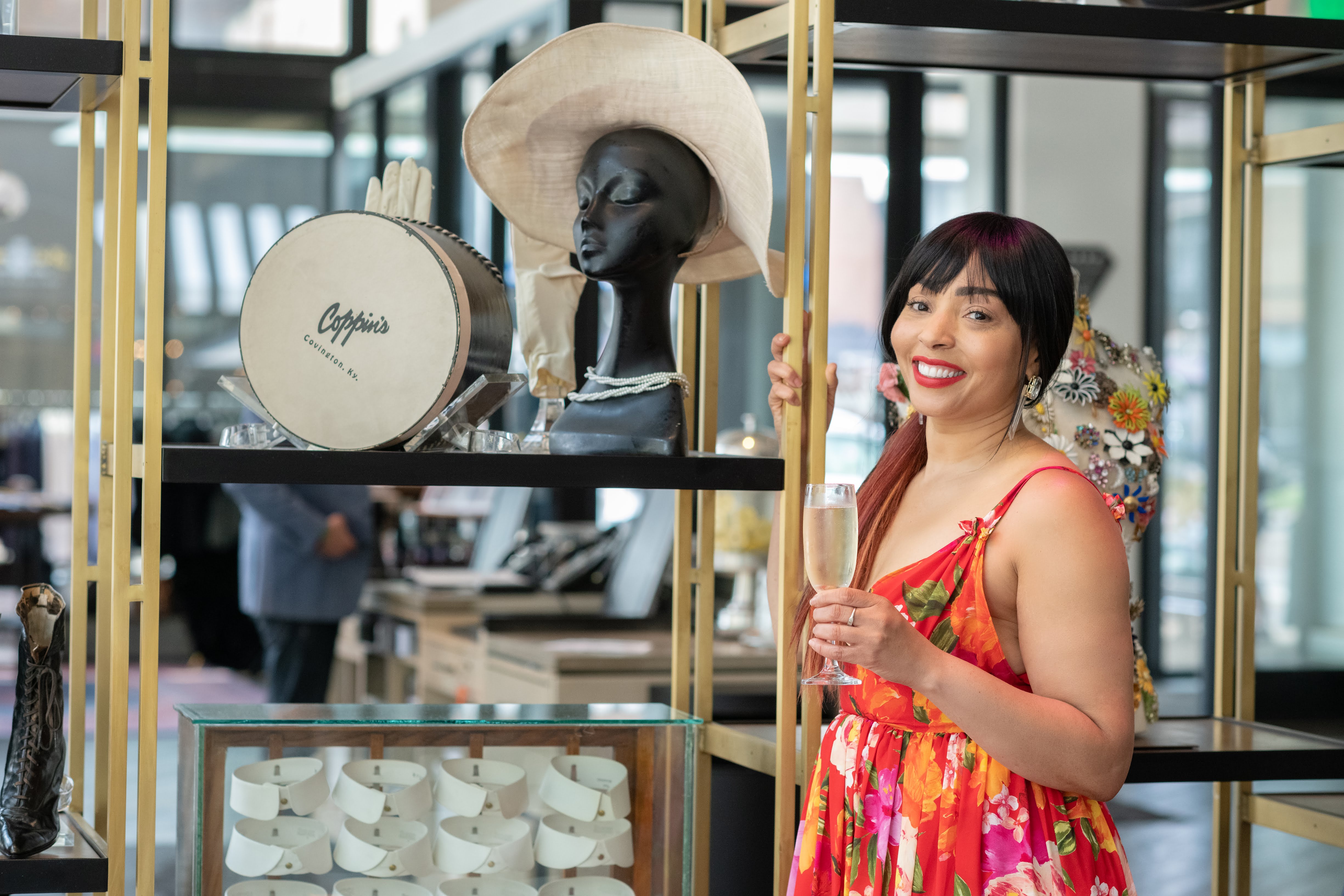
Tea attire is perhaps one of the most enchanting dress codes because it is rooted in daytime grace. It is associated with luncheons, garden gatherings, bridal teas, cultural outings, and traditional afternoon teas where elegance is expressed more softly than it is in the evening.
For ladies, tea attire typically includes a day dress, a beautifully cut midi or knee-length silhouette, or a polished skirt-and-blouse pairing. Fabrics may be lighter, colors may be softer, and prints—especially florals or subtle motifs—often feel especially at home. One may add delicate jewelry, a refined hat or fascinator, gloves in certain settings, or a graceful handbag. The overall effect should be feminine, intentional, and composed.
Shoes should be polished and occasion-appropriate: a classic pump, an elegant flat, a dress sandal, or a modest heel. Tea attire is not casual wear in prettier packaging. It should never feel beachy, overly corporate, or overly revealing. It is social dress for daytime occasions that call for charm and care.
For gentlemen, tea attire often means a lightweight suit, sport coat with dress trousers, or another polished daytime look that feels tailored and fresh rather than severe.
Tea attire is less about glamour and more about poise. It is refined without being rigid, decorative without being ostentatious, and one of the loveliest opportunities to dress with softness and sophistication.

Business Attire: Professionalism with Presence
Business attire serves a different purpose altogether. It is not celebratory but strategic. It communicates credibility, discernment, and respect for the environment in which one is operating. While social dress invites expression, business dress must first support competence and trust.
For ladies, business attire may include a tailored dress, a beautifully cut suit, a blazer with trousers, or a skirt paired with a professional blouse. The fit should be clean, the hemline appropriate, and the overall impression polished and intentional. Personal style certainly has a place in business, but it should be expressed within the framework of professionalism rather than novelty.
For gentlemen, business attire typically includes a tailored suit or dress trousers with a blazer, a collared shirt, and professional shoes. In some settings, a tie remains expected; in others, it may not be necessary, but polish always is.
Business dress should not feel festive, overly sensual, or performative. It is the language of capability. One should look as though they belong in the room and are prepared to contribute meaningfully once they arrive.

The Difference Is in the Mood
The easiest way to distinguish a dress code is to ask what the occasion is asking of you.
A gala or ball calls for formality, drama, and evening elegance.
A cocktail event calls for sophistication, polish, and social ease.
A tea calls for daytime refinement, femininity, and grace.
A business setting calls for professionalism, structure, and credibility.
In other words, dress codes are not only about hemlines and fabrics. They are about emotional intelligence. They reflect whether we understand the room we are entering and whether we know how to honor its tone.
There is a particular confidence that comes from being appropriately dressed—not because one is trying to impress, but because one has taken the time to be considerate. That is the essence of true style. It is never only about fashion. It is about discernment, self-respect, and the gracious ability to meet a moment well.
At ReedNWright, we believe that elegance is not excess. It is awareness. And dressing well for the occasion is one of the clearest ways to show that you understand both yourself and the world around you.